Why Simulation Games like Idle Games Captivate Players: A Deep Dive into Gaming Trends
Simulation games, especially idle games, have taken the gaming world by storm. With their unique mechanics and engaging gameplay, they have attracted millions of players across various demographics. But what is it that makes these games so captivating? In this article, we will explore the allure of simulation games, delve into idle games, look at the emergence of player story mode games, and even touch upon RPG games on Wii. Buckle up as we go on a journey through the exciting world of simulation gaming!
Understanding Simulation Games
Simulation games are designed to emulate real-life activities, allowing players to create, manage, and navigate virtual environments. Unlike traditional video games that focus on storylines and combat, simulation games prioritize detailed modeling of systems and processes.
The Rise of Idle Games
Idle games, often referred to as clicker games, have their own unique charm. They simplify gameplay mechanics and allow players to progress in the game even when they’re not actively playing. This hands-off approach appeals to casual gamers, making it accessible to a broader audience.
Engagement Through Simplicity
One of the key factors that captivate players is the simplicity of idle games. Players don’t need to invest hours of their time to enjoy progress. Instead, they can check in periodically, leading to a relaxing gaming experience that fits seamlessly into busy lifestyles.
Graphics and Design: Pleasing Aesthetics
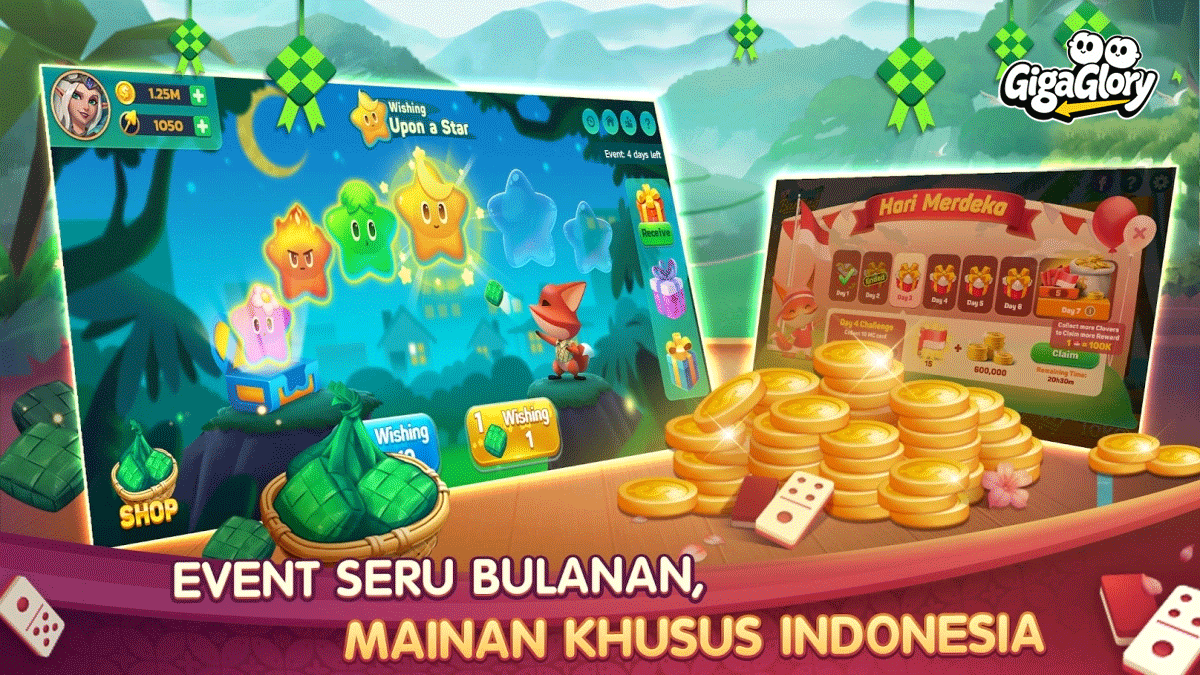
The visual appeal of idle games cannot be overlooked. Many of these games feature vibrant graphics and engaging animations that draw players in. The aesthetic pleasure of seeing numbers grow and resources multiply can be incredibly satisfying.
Psychology Behind Progression Mechanics
Modern game design often incorporates features rooted in psychology. Idle games employ concepts like variable rewards to keep players interested. This rewards system means that players never quite know when they will receive the next big payout, maintaining a thrill that keeps them returning.
Player Story Mode Games: A Closer Look
Many simulation games now include a player story mode, enhancing emotional investment in the game. Players become attached to characters and narratives, creating a compelling reason to continue playing. This combination of storytelling with simulation mechanics is a fresh approach in game design.
Activity vs. Passivity: Finding Balance in Gameplay
While idle games lean towards a passive gaming experience, simulation games often require active participation. This creates a delicate balance between enjoyment and effort, making them feel rewarding without being daunting.
RPG Games on Wii: An Interesting Case
RPG games on Wii also encapsulate simulation elements, allowing players to role-play within simulated environments. While it may feel different from traditional simulation games, the essence remains the same—immersing players in a carefully crafted world.
Community and Social Interaction
Simulation games often foster communities, both online and offline. Players share strategies, tips, and achievements, creating a sense of belonging. This social interaction enhances the gaming experience, making it more enjoyable across platforms.
Monetization Strategies: The Business of Idle Games
Many idle games implement monetization strategies, such as in-game purchases or advertisements, to sustain their business model. This can sometimes lead to frustration among players, but it also provides developers with the funds required to update and enhance games continually.
List of Features that Make Idle Games Attractive:
- Simple Mechanics: Easy to learn but hard to master.
- Minimal Time Investment: Perfect for casual play sessions.
- Compelling Graphics: Vibrant visuals keep players engaged.
- Psychological Rewards: Variable rewards maintain excitement.
- Personal Growth: Players feel satisfaction from continuous progress.
Pros and Cons of Simulation Games
| Pros | Cons |
|---|---|
| Engaging Gameplay | Potential for Over-Monetization |
| Community Interaction | Repetitive Mechanics |
| Accessible for Everyone | Less Challenging than Other Genres |
Future Trends in Simulation Gaming
As technology advances, simulation games are set to evolve. The integration of VR and AI could create even more immersive experiences, allowing players to dive deeper into their virtual worlds like never before. This can lead to an exciting future for idle games and simulation genres alike.
Education and Learning Through Simulation Games
Interestingly, simulation games also find applications in education. They can teach players about economic management, resource allocation, and problem-solving in an interactive manner, turning gaming into a powerful educational tool.
Key Takeaways from Simulation Games
- Accessibility and simplicity are crucial for engaging players.
- Visual and auditory elements greatly enhance the user experience.
- Psychological factors play a significant role in player retention.
- Community building adds value to the gaming experience.
- Future innovations may further revolutionize the genre.
Conclusion
In conclusion, simulation games, and particularly idle games, have carved out a niche that continues to expand. Their ability to engage players through simplicity, player story modes, and community interaction positions them as a formidable force within the gaming industry. As players seek more innovative gaming experiences, the evolution of simulation games will surely lead to an exciting future.